Soft Tissue Surgery in Kenockee, MI
If your dog or cat needs surgery, you want a team that will explain every step and treat your pet gently. At Cobblestone Veterinary Hospital, soft tissue surgery is one of our top areas of focus.
Understanding Soft Tissue Surgery
Soft tissue surgery covers procedures on parts of the body other than bones and joints. That includes the skin and the tissue beneath it, as well as organs and other internal structures. Typical soft tissue surgeries include lump and mass removals, wound repair, and procedures in the abdomen.
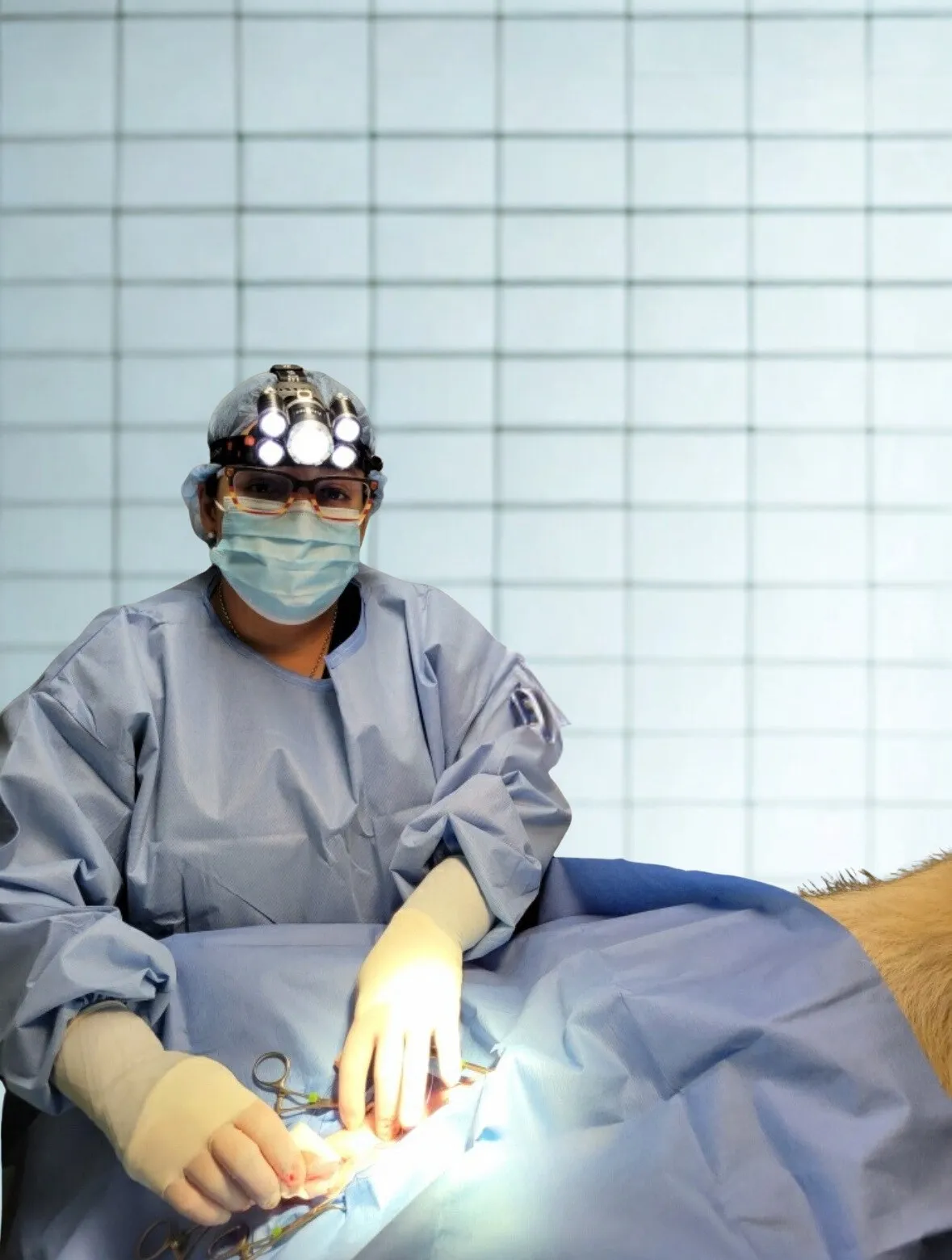
Dr. Luana Torres performs all surgeries at our hospital at this time. Surgery is one of her favorite subjects, and she is known for being thorough and great at explaining what’s going on. As a former oncology fellow at Michigan State University’s College of Veterinary Medicine, she brings a special interest in lumps, bumps, and cancers.
Before any surgery, we’ll talk with you about why it’s recommended, what the procedure involves, and what recovery will look like, so you can make the decision that’s right for your pet. You’ll never be rushed, and no question is too small.
What to Expect During Soft Tissue Surgery
From the first conversation to the recheck visit, our Kenockee team will walk you through each stage of your pet’s surgery.
Exam and Surgical Consultation
Dr. Torres will examine your pet, review their history, and talk with you about the problem and your options. If your pet has a lump, she may recommend sampling it first so we know what we’re dealing with before planning surgery. You’ll leave with a clear explanation of the recommended procedure and an estimate, so there are no surprises later.
Pre-Surgical Testing
Depending on your pet’s age and health, we may recommend bloodwork, X-rays, or an ultrasound before surgery. We have in-house bloodwork and a reference lab, digital X-ray, and ultrasound to help us plan safely. These tests help us check your pet’s overall health and plan the safest approach for their procedure.
Anesthesia and Surgery
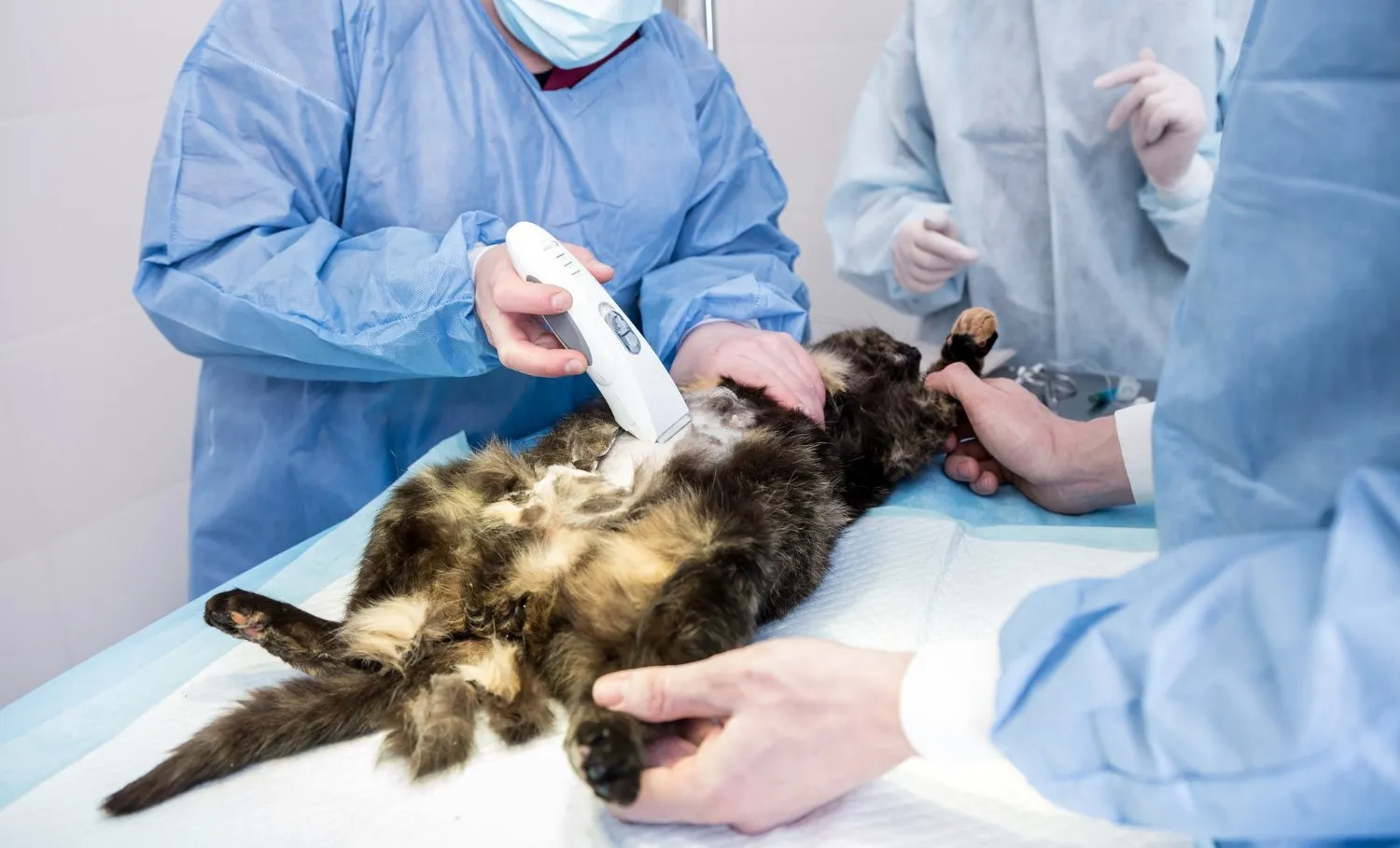
Your pet is examined again on surgery day and monitored closely while under anesthesia, including with an electrocardiogram (ECG) to watch the heart. Fear Free handling helps keep nervous pets calm before and after the procedure. Removed tissue may be sent to a lab so we can find out exactly what it is.
Going Home and Follow-Up
We’ll go over your pet’s pain medication, incision care, and activity limits before they leave, and we’ll make sure you know when to come back for a recheck. If tissue was sent to the lab, we’ll go over the results with you and explain what they mean. If questions come up at home, just call us.
Why Soft Tissue Surgery Is Important for Your Pet
Many soft tissue problems get harder to treat the longer they wait. A growing lump, a wound that won’t heal, or a problem inside the abdomen can all affect your pet’s comfort and health. Timely surgery can relieve pain and, in many cases, solve the problem for good.
Answers About Lumps and Bumps
Not every lump is cancer, but you can’t tell by looking. A small sample taken with a needle, or a biopsy, helps your veterinarian tell harmless growths from ones that need to come off. For most skin tumors, surgery is the most effective treatment, and small tumors found early are often easier to remove completely. After removal, the tissue can be checked by a lab to confirm what it was and whether it was fully removed.
Better Healing for Wounds
Deep cuts, bite wounds, and wounds that won’t close on their own may need to be cleaned and repaired surgically so they heal properly.
Comfort and Quality of Life
Removing a mass that rubs, bleeds, or gets in the way can make an everyday difference in how your pet feels.
Gentle, Low-Stress Care
As a Fear Free Certified veterinarian, Dr. Torres works to keep surgery as calm as possible for nervous dogs and cats, from check-in to pickup.
Signs Your Pet May Need Soft Tissue Surgery
Call us if you notice any of the following:
- A new lump, or one that is growing or changing
- A lump that bleeds, oozes, or bothers your pet
- A wound that is deep, large, or not healing
- A swollen or painful belly
- Straining to urinate or pass stool
For bleeding that won’t stop, a suddenly swollen belly, or a pet who can’t urinate, go to an emergency hospital right away.
Caring for Your Pet After Surgery
Recovery at home matters as much as the surgery itself. In general:
- Keep your pet calm and limit running, jumping, and rough play for as long as we recommend
- Check the incision every day for redness, swelling, or discharge
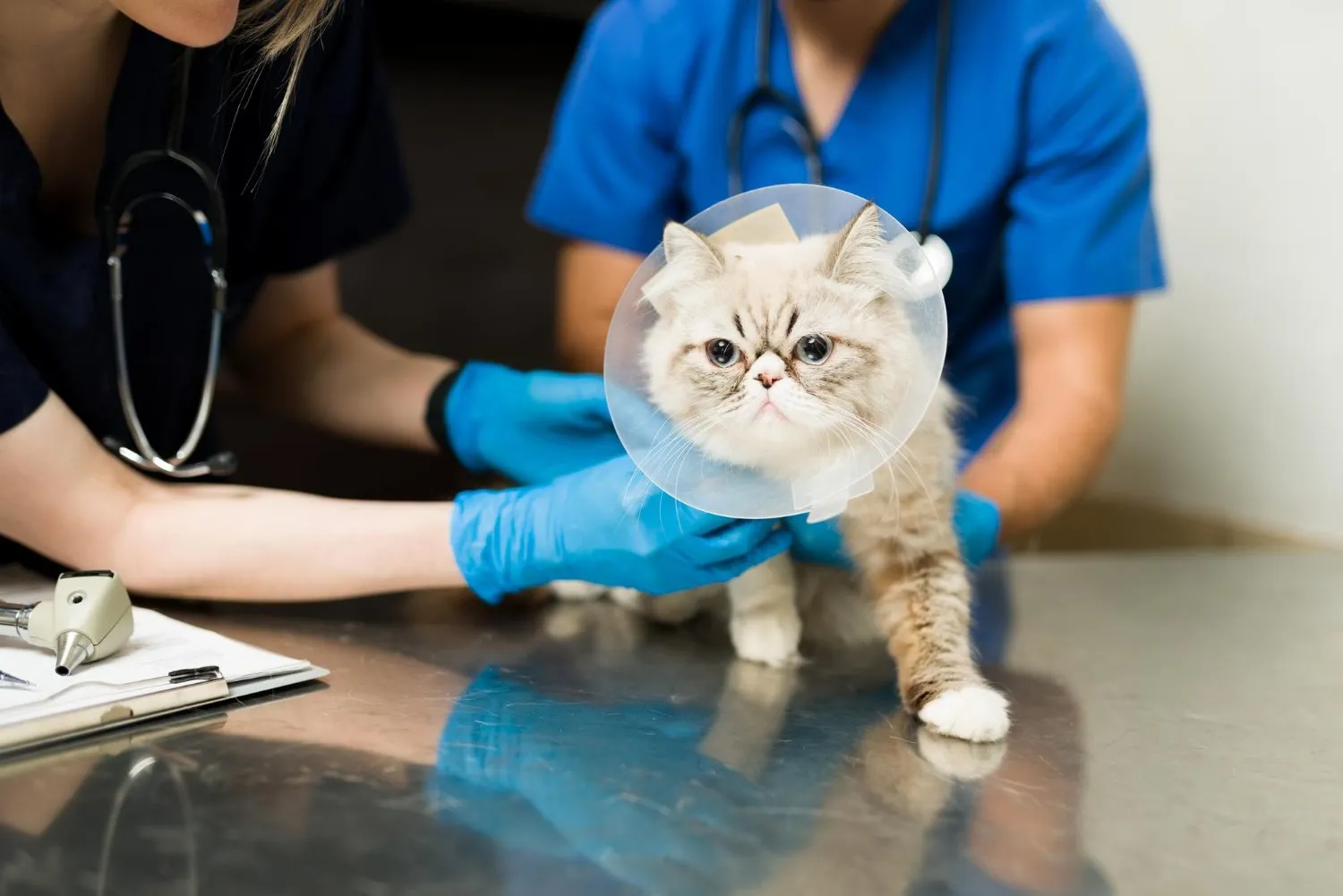
- Use a cone or recovery suit so your pet can’t lick or chew the stitches
- Keep the incision dry and don’t bathe your pet until we say it’s okay
- Don’t put anything on the incision unless we tell you to
Mild redness for the first few days is normal. More than mild swelling or any discharge is a reason to call us. Licking can pull out stitches in seconds, so keep that cone on even when your pet gives you sad eyes.
How Often Should Your Pet Receive Soft Tissue Surgery?
Soft tissue surgery isn’t routine. It’s recommended only when your pet has a problem that surgery can help, such as a lump that needs to come off or a wound that needs repair. Regular wellness exams help us find new lumps while they’re still small, which often makes surgery simpler.
Practice Highlights
- All surgeries performed by Dr. Luana Torres, DVM
- Former oncology fellow at Michigan State University’s College of Veterinary Medicine
- Fear Free Certified veterinarian for nervous pets
- In-house diagnostics including bloodwork, digital X-ray, ultrasound, and ECG
- Clear explanations and no surprise charges
Sources: Soft Tissue Surgery (VCA Animal Hospitals (VCA Veterinary Specialists of CT)), Soft Tissue Surgery (University of Florida College of Veterinary Medicine, Small Animal Hospital), Tumors of the Skin in Dogs (Merck Veterinary Manual), A Practical Approach to Lumps and Bumps (WSAVA 2017 Proceedings) (VIN (Sue Ettinger, DVM, DACVIM Oncology)), Surgical Discharge Instructions for Dogs (VCA Animal Hospitals), Recognizing a Medical Emergency in Small Animals (University of Missouri Veterinary Health Center)
Schedule a Soft Tissue Surgery Consultation
If your pet has a lump, a wound, or another problem that may need surgery, we’re here to help you understand your options. Call Cobblestone Veterinary Hospital at (810) 985-3011 to schedule a visit with Dr. Torres, or stop by 8504 Lapeer Rd., Kenockee, MI 48006, near Goodells County Park. We’re open Monday, Tuesday, and Friday 9 am–5 pm and Wednesday and Thursday 10 am–6 pm. We serve pets from Port Huron, Goodells, Emmett, Marysville, St. Clair, and nearby towns, and we look forward to caring for yours.
Soft Tissue Surgery: Frequently Asked Questions
What is soft tissue surgery?
Soft tissue surgery is surgery on parts of the body other than bones and joints, such as the skin, the tissue beneath it, and internal organs. Typical examples include lump and mass removals, wound repair, and abdominal procedures. At Cobblestone Veterinary Hospital, we’ll explain exactly what your pet’s procedure involves before you decide.
Source: Soft Tissue Surgery (VCA Animal Hospitals (VCA Veterinary Specialists of CT))
Who will perform my pet’s surgery?
Dr. Luana Torres, DVM, performs all surgeries at Cobblestone Veterinary Hospital at this time. Surgery is one of her favorite subjects, and she’s a Fear Free Certified veterinarian and former oncology fellow at Michigan State University’s College of Veterinary Medicine.
My pet has a lump. Does it need to be removed?
Not always, but it should be checked. A veterinarian can take a small needle sample or a biopsy to help tell a harmless growth from a cancerous one. Surgery is the most effective treatment for most skin tumors, while some benign lumps can simply be watched. Call (810) 985-3011 to have Dr. Torres take a look.
Source: Tumors of the Skin in Dogs (Merck Veterinary Manual)
How do I care for my pet’s incision at home?
Check the incision daily, keep it dry, and use a cone or recovery suit to stop licking. Limit running and jumping for as long as we recommend. Mild redness for the first few days is normal, but more than mild swelling or any discharge means you should call us at (810) 985-3011.
Source: Surgical Discharge Instructions for Dogs (VCA Animal Hospitals)
How do I schedule a surgical consultation, and how much will surgery cost?
Call (810) 985-3011 to book a visit with Dr. Torres. The cost depends on the procedure and your pet’s needs, so we’ll go over an estimate with you before surgery. We strive to never surprise you with charges. We accept cash, check, debit, credit, CareCredit, Scratchpay, and Sunbit, and we’re open Monday, Tuesday, and Friday 9 am–5 pm and Wednesday and Thursday 10 am–6 pm.