Pet Anesthesia & Monitoring in Kenockee, MI
It’s natural to feel nervous when your dog or cat needs anesthesia. At Cobblestone Veterinary Hospital, we take the time to explain how we keep your pet safe and comfortable from check-in to pickup.
Understanding Pet Anesthesia & Monitoring
General anesthesia lets your pet sleep through procedures like surgery and dental cleanings without feeling pain. Anesthesia always carries some risk, but careful planning, monitoring, and recovery care help lower that risk.
Safe anesthesia doesn’t start on the operating table. It begins with an exam and a review of your pet’s health, continues with close monitoring while they’re asleep, and carries on through recovery until your pet is back home with you.
Our veterinarians plan each anesthetic around your individual pet, taking into account their age, size, health history, and the procedure they need. Our team takes lots of continuing education, so our approach keeps up with current veterinary guidance. We’ll answer your questions before the day arrives, so you know what to expect. Our team believes in explaining things clearly, and we strive to never surprise you with charges.
What to Expect When Your Pet Needs Anesthesia
Here’s how anesthesia works at our Kenockee hospital, step by step.
Pre-Anesthetic Exam
Your veterinarian will examine your pet and review their medical history and any medications. This helps us spot concerns, such as heart or breathing problems, that could affect how your pet handles anesthesia. Please tell us about any supplements, past reactions, or recent changes in your pet’s health.
Getting Ready at Home
We’ll give you clear instructions about when to stop food and how to handle any regular medications before the procedure. If your pet gets nervous at the vet, let us know ahead of time so we can plan a calmer arrival.
Pre-Anesthetic Bloodwork
We may recommend blood tests before anesthesia to check how your pet’s organs are working and make sure the medications we plan to use are a good fit. We offer in-house bloodwork and also work with a reference lab. Bloodwork gives us a look at your pet’s organ health on the inside, and if we find something, we may adjust the plan or treat it first.
Monitoring While Your Pet Sleeps
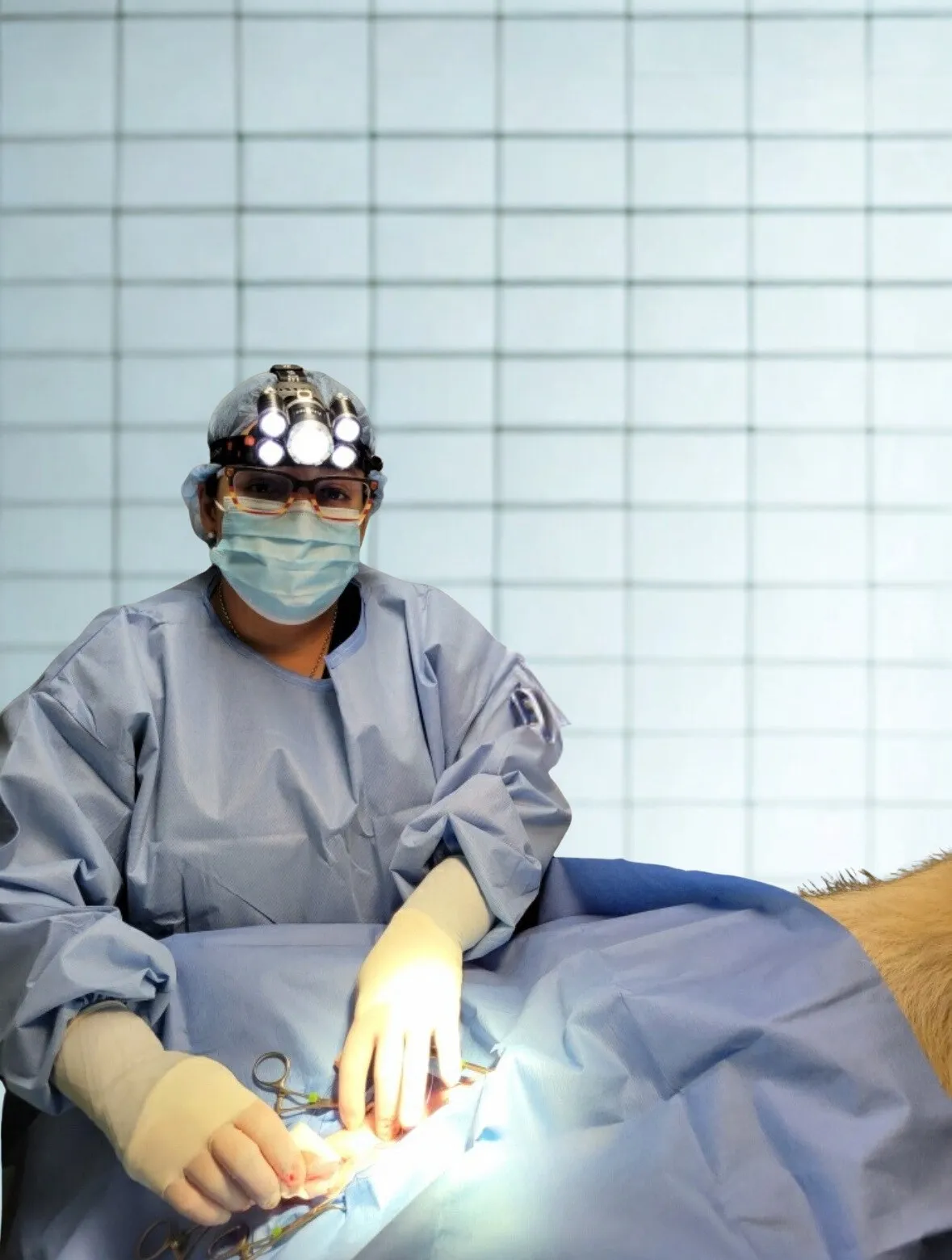
While your pet is under anesthesia, our team watches their vital signs throughout the procedure. Our equipment includes an electrocardiogram (ECG), which lets us keep track of your pet’s heart rhythm.
Recovery and Going Home
Monitoring doesn’t stop when the procedure ends. We keep a close eye on your pet as they wake up, and we’ll go over pain control and home care instructions with you at discharge. If questions come up later, just give us a call.
Why Safe Anesthesia Is Important for Your Pet
Many of the treatments that keep pets healthy, from dental care to removing a lump, require anesthesia. Following careful, step-by-step practices before, during, and after anesthesia helps reduce the chance of problems and supports a smoother recovery.
A Plan Built for Your Pet
A senior dog with a heart murmur and a young, healthy cat have very different needs. The pre-anesthetic exam and bloodwork help us choose the right medications and doses for your pet.
Close Watch During the Procedure
Anesthesia affects the heart, breathing, and body temperature. Monitoring your pet throughout lets our team notice changes early and respond quickly.
Calmer Pets, Safer Visits
Fear and stress matter, too. As a Fear Free practice, we use gentle handling to help nervous dogs and cats feel more at ease before and after anesthesia.
Pain Control as Part of the Plan
Managing pain before, during, and after a procedure is part of safe anesthesia. We’ll explain how we’ll keep your pet comfortable and send you home with clear instructions for any pain medication.
Signs Your Pet May Need a Procedure Under Anesthesia
Talk with our team if your pet has:
- Bad breath, broken teeth, or red gums that may need dental care
- A lump or bump that needs to be sampled or removed
- A wound that needs cleaning or stitches
- A problem that requires X-rays with your pet completely still
Helping Your Pet Recover at Home
After anesthesia, your pet may be sleepy or a little unsteady for a while. Give your pet a quiet, warm place to rest, follow our feeding and medication instructions, and keep them from jumping or using stairs until they’re steady. Call us if your pet seems unusually weak, won’t eat, or anything seems off.
Questions You’re Welcome to Ask
We want you to feel comfortable with your pet’s care. Before any procedure, feel free to ask us:
- Why is anesthesia needed for this procedure?
- What bloodwork do you recommend, and why?
- How will my pet be monitored?
- How will you manage my pet’s pain?
- When can I expect an update, and when can my pet go home?
How Often Should Your Pet Receive Anesthesia?
Only when a procedure calls for it. Some pets need anesthesia once for a single surgery, while others need it periodically, for example for dental cleanings. Each time, we’ll repeat the exam and review bloodwork as needed, since your pet’s health can change over time.
Practice Highlights
- Pre-anesthetic exams and bloodwork with in-house and reference lab testing
- ECG monitoring of heart rhythm
- Fear Free Certified veterinarian, Dr. Luana Torres
- Clear explanations and no surprise charges
- Serving Kenockee and surrounding communities
Sources: 2020 AAHA Anesthesia and Monitoring Guidelines for Dogs and Cats (American Animal Hospital Association (AAHA)), Comprehensive Peri-operative Monitoring (VCA Animal Hospitals (VCA Veterinary Specialists of CT))

Schedule Your Pet’s Pre-Anesthetic Visit
Have questions about anesthesia for an upcoming procedure? Our team is happy to talk them through with you. Call Cobblestone Veterinary Hospital at (810) 985-3011 or visit us at 8504 Lapeer Rd., Kenockee, MI 48006, just minutes from Goodells County Park. We’re open Monday, Tuesday, and Friday 9 am–5 pm and Wednesday and Thursday 10 am–6 pm. Whether your pet is coming in for surgery, a dental cleaning, or another procedure, we’ll help you feel confident about their care from start to finish.
Pet Anesthesia & Monitoring: Frequently Asked Questions
Is anesthesia safe for my pet?
Anesthesia always carries some risk, but following careful guidelines and checklists before, during, and after the procedure helps lower it. At Cobblestone Veterinary Hospital, every anesthetic starts with an exam and a plan tailored to your pet, and we’re glad to talk through any concerns before the day of the procedure.
Why does my pet need bloodwork before anesthesia?
Pre-anesthetic bloodwork helps your veterinarian check how your pet’s organs are working and whether the planned anesthetic medications are a good fit. We offer in-house bloodwork and work with a reference lab when needed.
Source: Comprehensive Peri-operative Monitoring (VCA Animal Hospitals (VCA Veterinary Specialists of CT))
How will my pet be monitored during anesthesia?
During anesthesia, veterinary teams track vital signs such as heart rate and rhythm, breathing, and temperature, and keep monitoring through recovery until the pet is awake. Our equipment includes an electrocardiogram (ECG) to watch your pet’s heart rhythm. Ask us anytime and we’ll walk you through our monitoring routine.
Source: Comprehensive Peri-operative Monitoring (VCA Animal Hospitals (VCA Veterinary Specialists of CT))
Should my pet fast before anesthesia?
Usually, yes, but the right instructions depend on your pet’s age, health, and procedure. Our team will tell you exactly when to stop food and whether to give any regular medications. If you’re unsure, call (810) 985-3011 before your appointment.
My pet is very nervous. How do you keep them calm?
Reducing fear and stress is part of safe anesthesia, not just a nice extra. We practice Fear Free principles, and Dr. Torres is Fear Free Certified. Let us know ahead of time if your pet gets anxious at the vet so we can plan for a calmer visit.