
Electrocardiogram in Kenockee, MI
Welcome to Cobblestone Veterinary Hospital, where our experienced veterinary team provides advanced diagnostic care like electrocardiograms (ECG) to keep your pet's heart healthy.
Understanding Electrocardiogram (ECG)
An electrocardiogram (ECG) is a painless, noninvasive test that measures the electrical activity of your pet's heart. This diagnostic tool helps our veterinarians identify abnormal heart rhythms, detect heart disease, and monitor ongoing cardiac health. By capturing the heart's electrical signals, an ECG allows us to assess how efficiently your pet's heart is functioning.
Many pets, especially older dogs and cats, can develop subtle heart changes that aren't visible during a physical exam. An ECG can uncover these hidden issues before they become serious health risks. Early detection is crucial because prompt intervention can improve your pet's quality of life and longevity. Whether your pet is showing signs of heart problems or needs pre-anesthetic screening, our team uses electrocardiograms to provide safe, accurate answers for pet owners in Kenockee and surrounding communities.
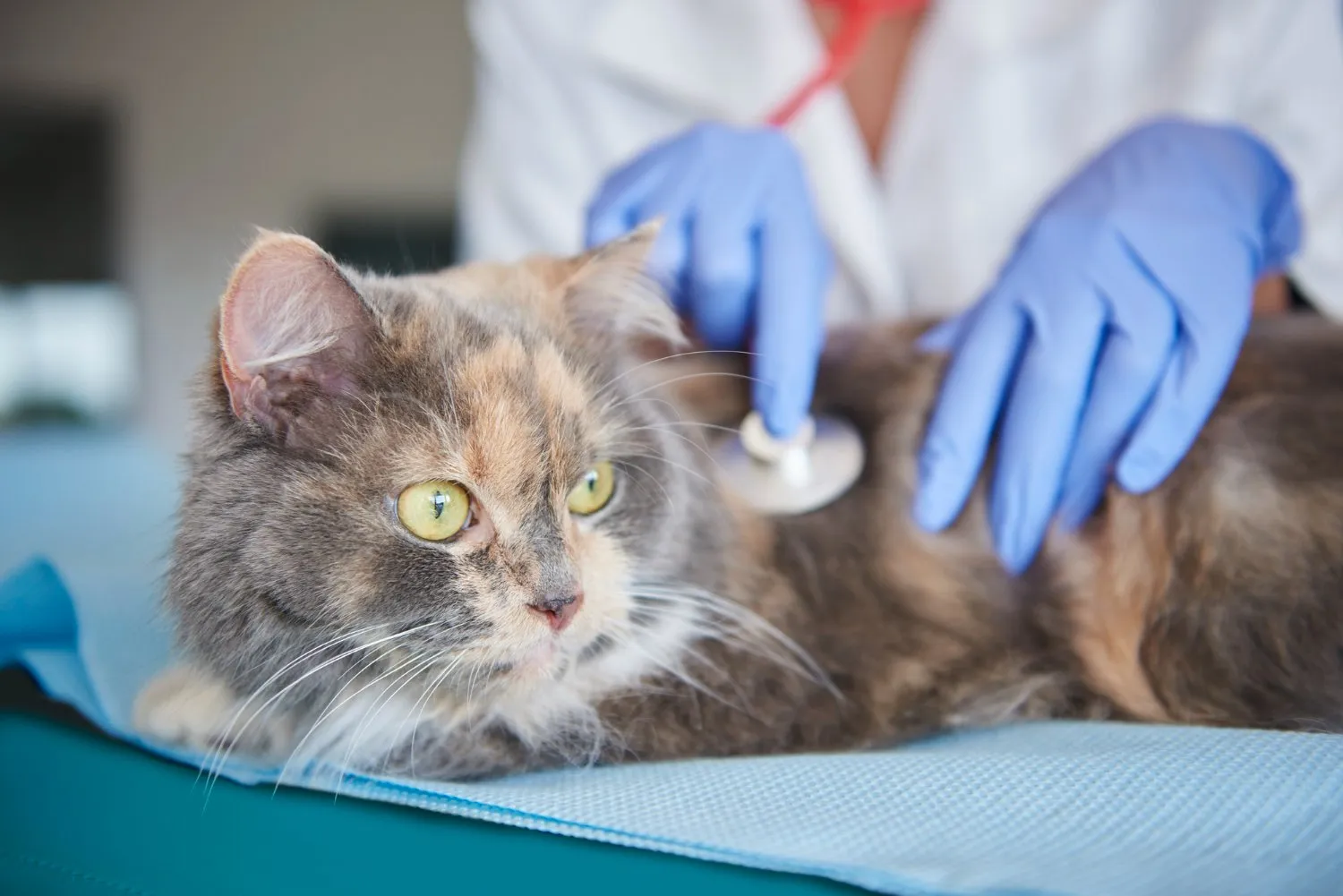
What to Expect During an Electrocardiogram
Our team makes the ECG process comfortable and stress-free for your pet. Here’s what you can expect when your pet visits Cobblestone Veterinary Hospital for an electrocardiogram.
Warm Welcome and Gentle Preparation
Upon arrival, our veterinary professionals create a calm environment, especially for nervous pets. We practice Fear Free techniques and gently position your pet on a soft mat or exam table. Most pets remain awake and relaxed throughout the procedure, with minimal restraint required.
Placing ECG Electrodes
Small electrodes are placed on specific areas of your pet’s limbs and chest. Our team ensures these sites are clean and free of fur as needed, using gentle handling to keep your pet comfortable. The electrodes are connected to the ECG machine, which quickly begins recording your pet’s heart rhythm.
Recording and Analyzing Heart Activity
The ECG captures a series of heartbeats over several minutes. Our veterinarians monitor the real-time tracings for any abnormalities or irregularities. The entire process is painless and typically lasts less than 10 minutes, allowing your pet to go home right after the exam.
Reviewing Results and Next Steps
After the test, our veterinarians review the ECG results with you. If any concerns are detected, we discuss recommended treatments or further diagnostics. At Cobblestone Veterinary Hospital, you’ll always receive clear explanations and guidance for your pet’s heart health.
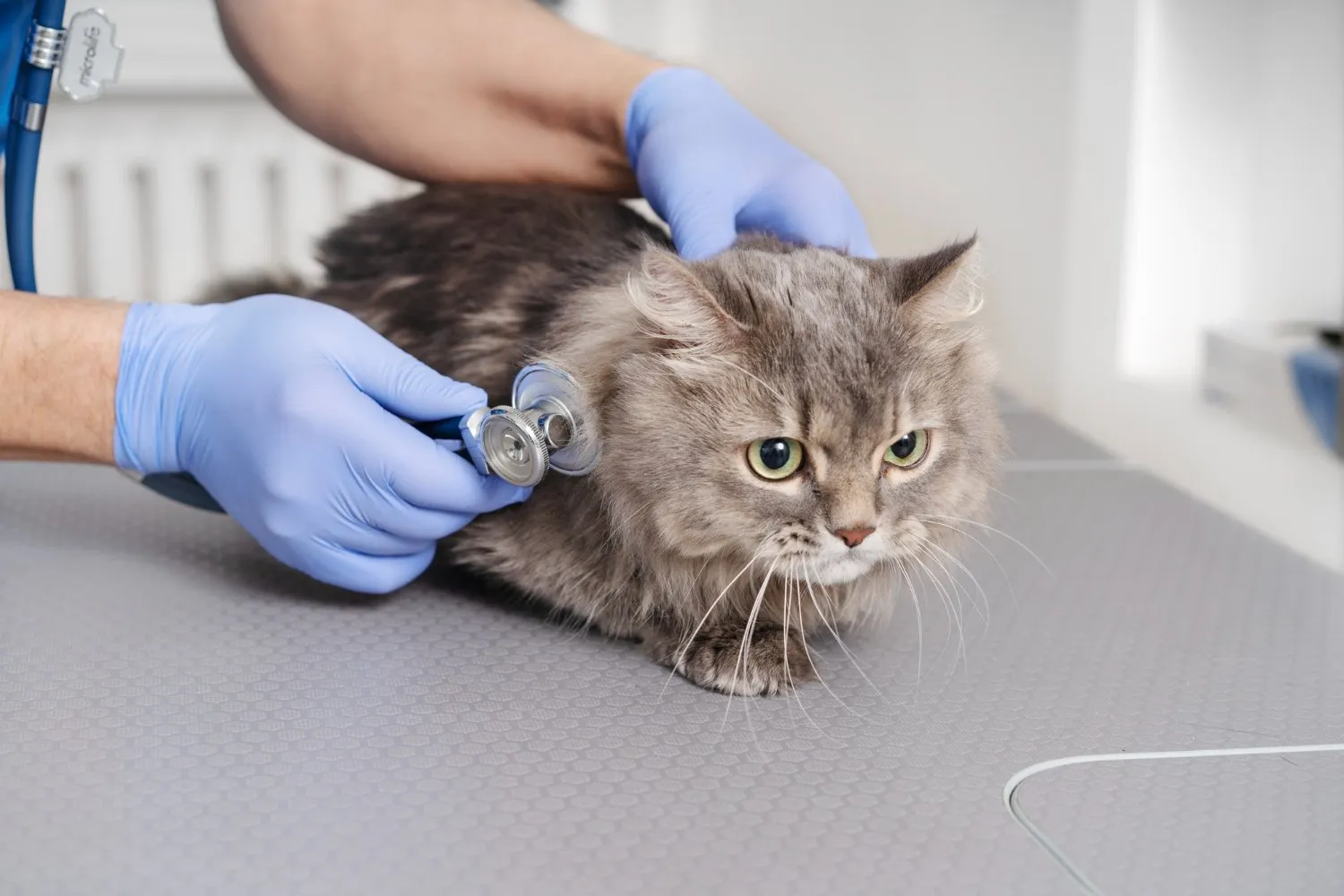
Why Electrocardiograms Are Important for Your Pet
Heart health is essential for your pet’s overall well-being. Electrocardiograms in Kenockee help detect problems early, guide safe anesthesia, and provide peace of mind for pet owners.
Early Detection of Heart Disease
ECGs can reveal heart rhythm disturbances or structural changes before your pet shows outward symptoms. Early intervention can prevent complications and extend your pet’s life.
Safe Anesthesia and Surgery
Before surgery or dental procedures, an ECG helps our veterinarians ensure your pet’s heart is healthy enough for anesthesia. This step reduces the risk of complications during treatment.
Ongoing Cardiac Monitoring
For pets with existing heart conditions, regular ECGs help monitor disease progression and evaluate the effectiveness of medications or therapies.
Signs Your Pet May Need an Electrocardiogram
Some signs of heart issues are subtle, while others may be more obvious. If you notice any of the following, contact our team for an evaluation:
- Coughing, especially at rest or during sleep
- Labored or rapid breathing
- Fainting, weakness, or collapse
- Exercise intolerance or tiring easily
- Irregular or abnormal heartbeats noticed during a veterinary exam
Many heart conditions can be managed successfully when caught early. If your pet displays any of these signs, or if your veterinarian recommends an ECG, don’t hesitate to reach out for guidance and care.
How Often Should Your Pet Receive an Electrocardiogram?
The frequency of ECGs depends on your pet’s age, breed, health status, and any known heart conditions. Some pets need an ECG before anesthesia, while others with ongoing cardiac issues may require more frequent monitoring. Senior pets or those with a history of fainting, coughing, or abnormal heart sounds often benefit from annual or semi-annual ECGs. Our veterinary team will recommend a personalized schedule based on your pet’s unique needs. Always follow your veterinarian’s advice for the best outcomes.
Practice Highlights
At Cobblestone Veterinary Hospital, our commitment to your pet’s health sets us apart. Here’s why families trust us for pet electrocardiograms in Kenockee:
- Experienced team led by Dr. Torres, DVM
- Fear Free techniques for stress-free visits
- State-of-the-art diagnostic equipment
- Same-day urgent care appointments available
- Welcoming, small-town atmosphere
- Serving Kenockee and surrounding communities
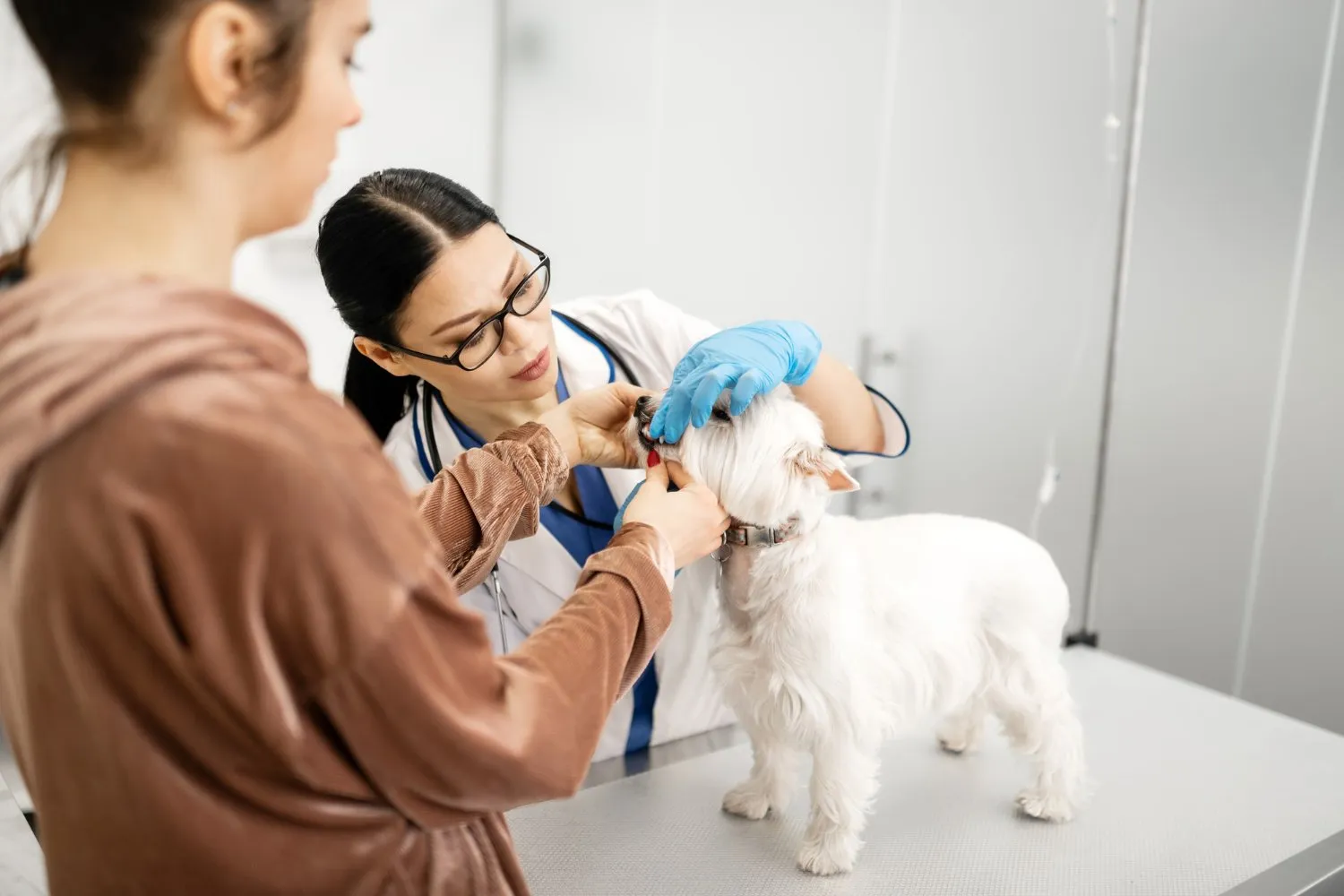
Schedule Your Pet's Electrocardiogram Appointment Today
Protect your pet’s heart health with a veterinary electrocardiogram in Kenockee. Call (810) 985-3011 to book your appointment at Cobblestone Veterinary Hospital. Our convenient location at 8504 Lapeer Rd., Kenockee, MI 48006 makes it easy for families from Kenockee and surrounding communities to access expert care. We’re open Monday, Tuesday, and Friday from 9 am to 5 pm, and Wednesday and Thursday from 10 am to 6 pm. Our team is dedicated to providing clear answers and compassionate support for every pet and owner we serve.
Electrocardiogram: Frequently Asked Questions
What is an electrocardiogram (ECG) for pets and why is it needed?
An electrocardiogram (ECG) is a noninvasive test that records your pet’s heart’s electrical activity. Our veterinarians use ECGs to diagnose heart rhythm problems, detect heart disease, and assess cardiac health before surgery at Cobblestone Veterinary Hospital. If your pet is experiencing symptoms or needs pre-anesthetic screening, an ECG can provide vital information.
Source: Diagnosis of Cardiovascular Disease in Cats (Merck Veterinary Manual)
How much does a pet ECG cost and how long does the test take?
The cost of a veterinary electrocardiogram depends on your pet’s needs and whether additional diagnostics are recommended. Most ECG appointments at Cobblestone Veterinary Hospital take less than 10 minutes. For pricing details or to discuss your pet’s specific situation, call us at (810) 985-3011.
How should I prepare my pet for an electrocardiogram appointment?
Most pets do not need special preparation for an ECG. Bring your pet on a leash or in a carrier for safety. Our team uses Fear Free methods to keep your pet comfortable during the visit. If your veterinarian needs your pet to fast or stop medications, we’ll let you know in advance.
What conditions can an ECG detect or help monitor in pets?
ECGs help diagnose arrhythmias, heart enlargement, and certain heart diseases in dogs and cats. They’re also used to monitor ongoing cardiac conditions and ensure your pet is safe for anesthesia. If you’re concerned about your pet’s heart health, our veterinarians can advise you on whether an ECG is recommended.
Source: Diagnosis of Heart Disease in Animals (Merck Veterinary Manual)
How do I schedule an electrocardiogram for my pet and what are your hours?
To schedule a pet electrocardiogram, call (810) 985-3011 or visit us at 8504 Lapeer Rd., Kenockee, MI 48006. We’re open Monday, Tuesday, and Friday 9 am–5 pm, and Wednesday and Thursday 10 am–6 pm for your convenience.