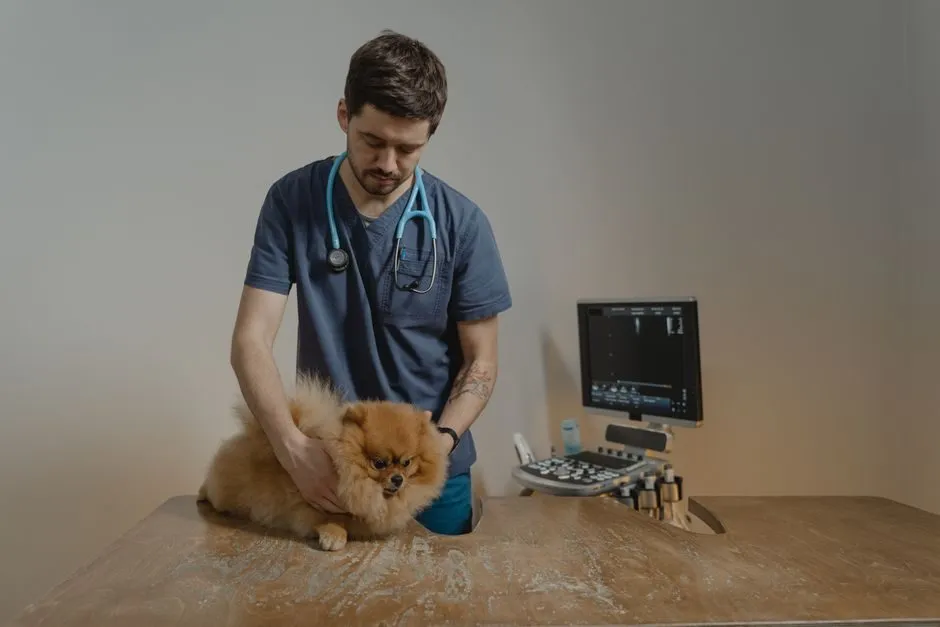
As winter arrives in Michigan, keeping your dog or cat healthy and comfortable becomes a top priority for pet owners. The cold, snow, and shorter days in the Kenockee area bring unique challenges for our furry companions, and it’s important to know how to protect them from seasonal hazards while still letting them enjoy the magic of winter. At Cobblestone Veterinary Hospital, located at 8504 Lapeer Rd. Kenockee, MI 48006, our veterinary team is dedicated to helping you care for your pets all year long. Whether you’re wondering if it’s safe to walk your dog on icy sidewalks, curious about protecting your cat from dry winter skin, or concerned about hidden dangers like antifreeze, this guide will walk you through everything you need to know. Read on for expert winter pet care tips tailored to dogs and cats, with local insight for Kenockee and surrounding communities.
Recognizing Winter Challenges for Dogs and Cats
When the temperature drops, your pets may experience a range of cold-weather issues. It can sometimes be tricky to tell if your dog or cat is struggling with the winter chill or thriving in their favorite snowy spot near the window. Some pets, like senior dogs or short-haired cats, are more sensitive to cold, while others may seem to love romping in fresh snow. Key signs that your pet is feeling the effects of winter include shivering, reluctance to go outside, limping or lifting paws when on cold ground, and seeking heat sources more than usual. Cats often hide or seek out cozy nooks, while dogs might become less interested in walks or playtime outdoors. Dry, cracked paw pads, red or flaky skin, and changes in coat condition are also common. If your pet is suddenly more lethargic or vocal than usual, it could signal discomfort or even exposure to a winter hazard.
Why Winter Affects Pets: Understanding the Risks
Cold weather brings a variety of challenges for dogs and cats. The thickest fur coat is not always enough to keep pets warm in Michigan’s sub-freezing temperatures. For dogs, snow and ice can cause irritation or injury to paws; ice-melting salts and chemicals on sidewalks may cause burns or be licked off and ingested. Cats, especially those allowed outdoors, may be at risk for frostbite on their ears, tails, and paws. Even indoor cats can develop dry, itchy skin as home heating reduces humidity. Short-haired breeds, senior pets, kittens, and puppies have less tolerance for the cold, while pets with chronic health issues may struggle even more. Another major risk is accidental poisoning, as antifreeze and other winter chemicals are more commonly found in garages and driveways during colder months. Additionally, pets can become lost more easily if snow or ice obscures familiar scents and landmarks.
Safe Outdoor Time: Balancing Exercise and Protection
Letting your dog enjoy a snowy romp or taking your cat for a supervised outdoor adventure can be part of a healthy winter routine, as long as you take the right precautions. For dogs, outdoor walks should be shorter and more frequent rather than long and lingering, especially when temperatures are below freezing. Watch for signs like shivering, lifting paws, or reluctance to move, and bring your dog inside promptly if they appear uncomfortable. Protective gear such as booties can help shield paw pads from ice, salt, and chemicals, while a well-fitted coat or sweater is a good option for small, thin-coated, or senior dogs.
Cats that venture outside should be supervised, and time outdoors should be limited to prevent frostbite and hypothermia. Always provide access to shelter and warmth, and never leave a pet outside for extended periods, no matter how thick their fur may be. After outdoor activities, wipe your pet’s paws, legs, and belly to remove ice, salt, or chemicals, and check for any signs of redness or injury.
If you notice your dog or cat limping after a walk, licking their feet excessively, or showing signs of discomfort, it’s important to address these issues quickly. In cases where irritation or injury does not resolve within a day or two, or if you spot bleeding, swelling, or persistent pain, schedule an appointment with our veterinary team for a thorough evaluation.
Preventing Dry Skin and Winter Discomfort
Dry air from home heating systems can leave both dogs and cats with flaky, itchy skin during the winter. To help your pet stay comfortable, consider increasing the humidity in your home with a humidifier, especially in areas where your pet spends the most time. Regular grooming is essential, as it removes dead hair and distributes natural oils throughout the coat. For dogs, brushing several times a week helps maintain skin health, while cats benefit from gentle, routine brushing as well.
Bathing your pet too frequently in winter can strip away protective oils, so aim for less frequent baths and use a gentle, pet-safe moisturizing shampoo when needed. Watch for signs of skin irritation such as excessive scratching, licking, red patches, or dandruff. If these symptoms persist, your pet may have allergies or a more serious skin condition that requires professional care. Our allergy care services for dogs and cats can help address ongoing skin issues and provide relief.
Recognizing and Preventing Winter Hazards
Winter in Kenockee brings several seasonal hazards that pet owners should keep top of mind. Antifreeze is highly toxic to both dogs and cats, and even small amounts can be deadly. Always store chemicals securely and clean up spills immediately. Ice-melting products can also cause burns or gastrointestinal upset if licked off paws, so opt for pet-safe alternatives whenever possible.
Another concern is frostbite, which can affect ears, tails, and toes after even brief exposure to extreme cold. Signs of frostbite include pale or gray skin, swelling, and pain in the affected area. Hypothermia is a life-threatening drop in body temperature; symptoms include shivering, weakness, confusion, and shallow breathing. If you suspect frostbite or hypothermia, bring your pet inside immediately and contact a veterinarian for guidance.
It’s also important to remember that pets can become disoriented in deep snow or icy conditions. Make sure your pet’s identification tags and microchip information are up to date in case they become lost. For more on keeping pets safe from common winter hazards, consider scheduling a comprehensive physical examination with our team to assess your dog’s or cat’s overall health and readiness for the season.
Home Care Tips for Winter Wellness
Keeping your pet healthy during winter involves a few simple but important steps. Always provide fresh, unfrozen water, as dehydration can occur more readily in heated indoor environments. Offer a warm, draft-free sleeping area for your pet, and avoid placing beds directly on cold floors. Adjust your pet’s diet as needed, since some pets may be less active in winter and require fewer calories, while others may benefit from a small increase if they spend significant time outdoors.
Exercise remains important, so look for creative indoor activities or games to keep your dog or cat mentally and physically stimulated. Puzzle feeders, indoor fetch, or interactive toys can help prevent winter boredom. For cats, window perches and scratching posts placed in sunny spots offer warmth and entertainment.
Monitor your pet’s weight and body condition throughout the season, as sudden changes may indicate underlying health issues. If you notice changes in appetite, energy, or behavior, schedule a visit with our veterinarians for a checkup.
When to Seek Veterinary Care During Winter
While many winter-related pet issues can be managed at home, certain situations require prompt attention from a veterinary professional. If your pet shows signs of hypothermia, frostbite, persistent limping, severe skin irritation, vomiting after ingesting chemicals, or sudden behavior changes, do not delay in seeking help. Other red flags include persistent coughing, difficulty breathing, or refusal to eat or drink.
Our team at Cobblestone Veterinary Hospital offers same-day urgent care appointments for pets that become sick or injured, including those exposed to winter hazards. You can rely on our urgent veterinary care services for timely support when your dog or cat needs immediate attention.
For non-emergency concerns, such as dry skin or mild limping, our doctors can provide guidance and treatment plans during a scheduled visit. If you need after-hours care, you can find resources on our after-hours emergency care information page.
Keeping Your Dog or Cat Safe All Winter Long
Winter in Kenockee and the surrounding communities is a special time for you and your pets, but it also brings unique challenges. By recognizing the signs of winter discomfort, understanding the risks, and following practical home care steps, you can help your dog or cat stay healthy, happy, and cozy all season. Remember that professional support is just a call away—our caring veterinary team at Cobblestone Veterinary Hospital is ready to help with comprehensive checkups, preventive care, and urgent medical attention whenever your pet needs it.
If you have questions about your pet’s winter health, or if you’re searching for a “vet near me” you can trust, schedule an appointment with our knowledgeable veterinarians today. Visit us at 8504 Lapeer Rd. Kenockee, MI 48006 or call (148) 089-71888 to book a consultation. Your dog or cat’s comfort and wellbeing are our top priorities, all winter and beyond. For more information on seasonal risks, preventive exams, or urgent care, explore our website or reach out to our veterinary team for personalized advice.